Keto cuisinedelicious recipes for a low-carb lifestyle
Five keto-friendly recipes that are low in carbs and high in flavour, with wholesome ingredients from all over the world.
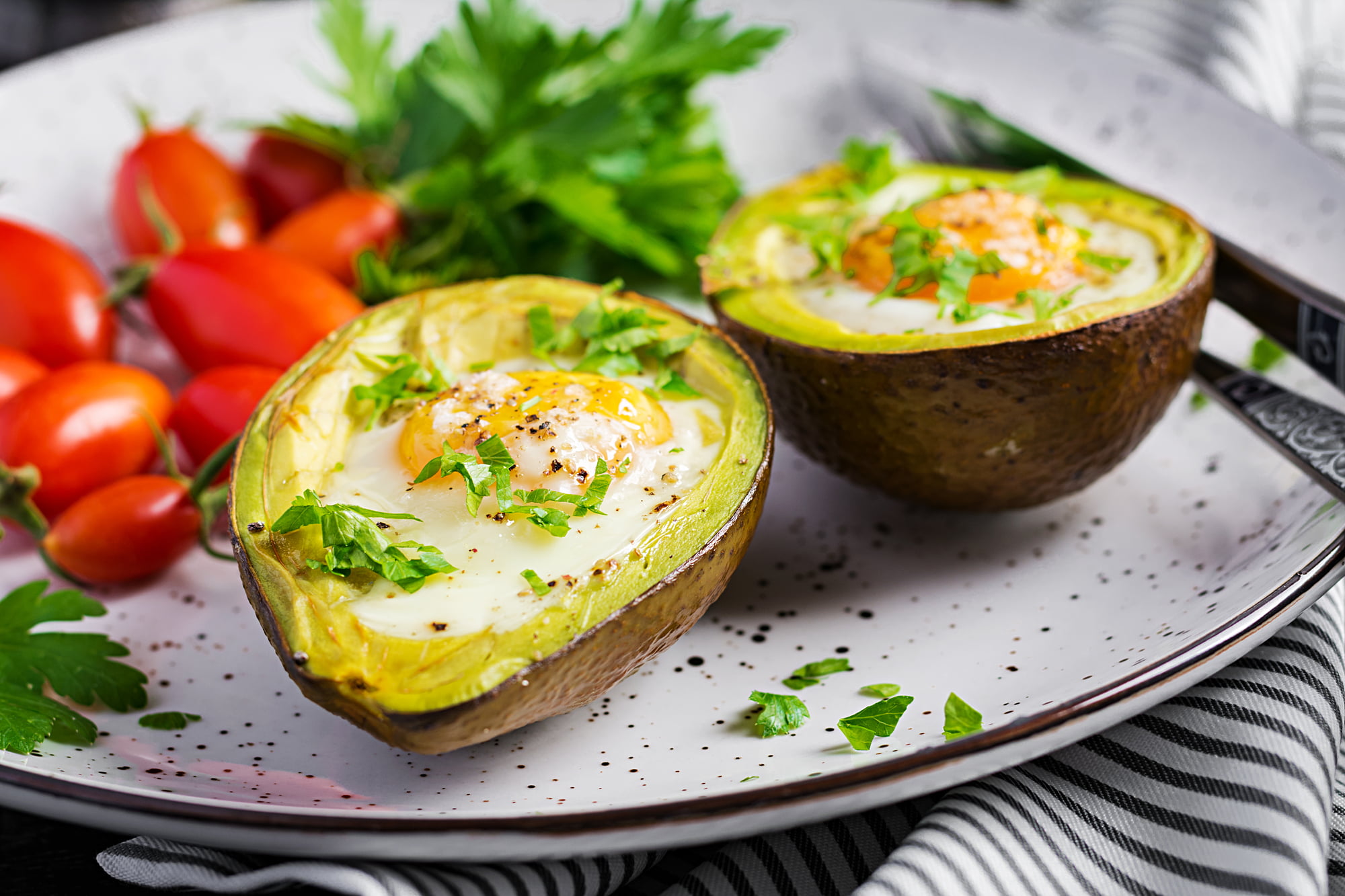
2 large avocados
4 small high-welfare eggs
1 small bunch coriander leaves, chopped
Salt and freshly-ground pepper to taste
Pinch of chilli flakes or paprika (optional)
Pre-heat the oven to 200°C / 180°C fan / gas 6.
Cut the avocados in half and remove the stone. Using a teaspoon, scoop a small hollow in each half (enough to comfortably hold an egg). Arrange the avocados flesh-side up on a shallow baking tray.
Crack one egg into each avocado hollow, season with salt and pepper and pop the tray into the oven.
Roast for about 20 minutes, or until the egg is done to your liking (cover with foil if you see the avocado browning).
Sprinkle it with coriander and a little chilli flakes or paprika if you like your breakfast with a touch of spice.
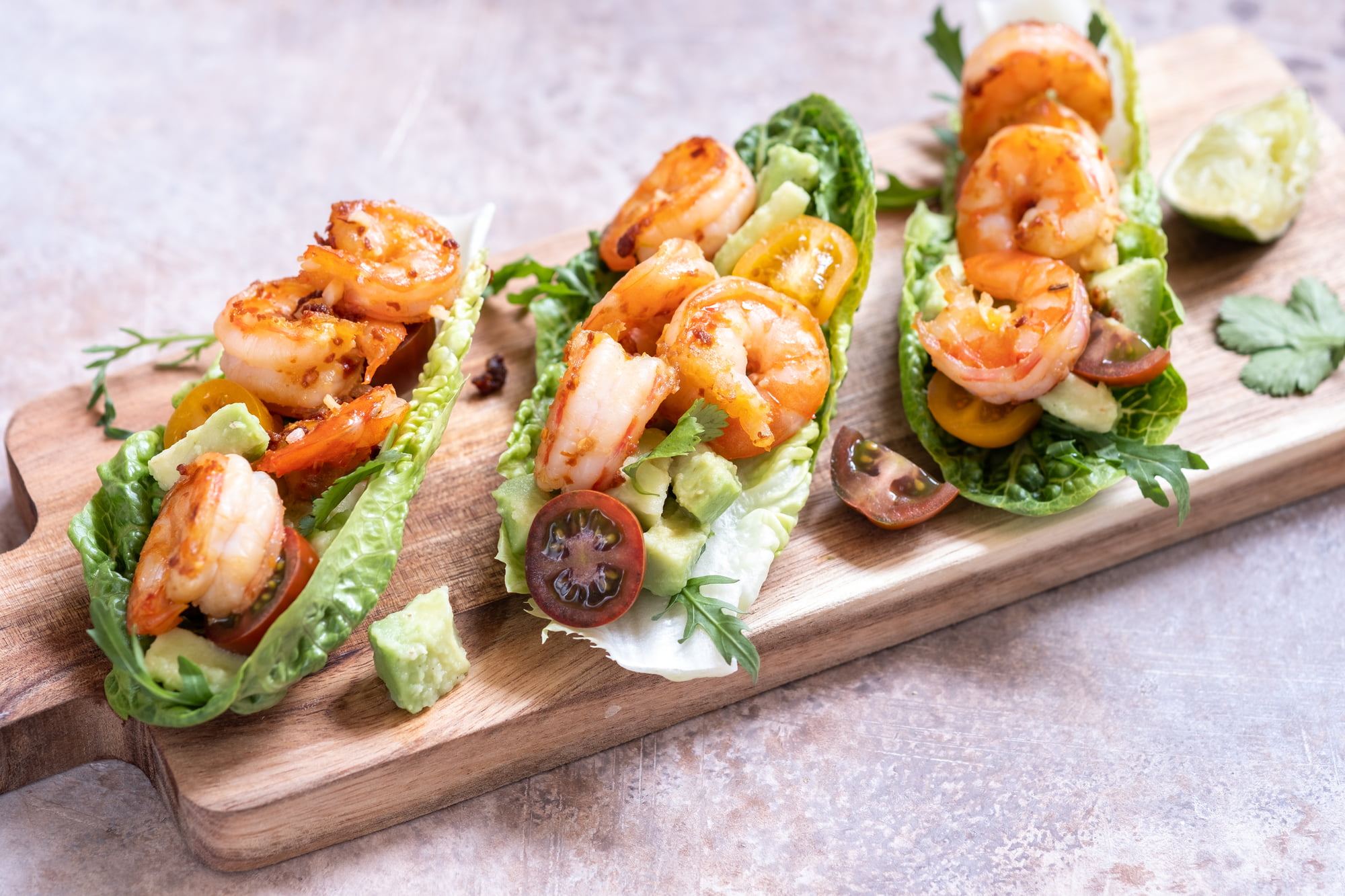
5 cups / 500g shrimp, peeled and deveined (or halloumi if preferred)
6 large romaine lettuce leaves
3 cloves garlic, minced
1 lime, zested and juiced
1 cup / 240 ml sour cream
¼ cup / 60 ml double cream
3 tbsp extra virgin olive oil
4 tsp Cajun seasoning
1 medium bunch coriander leaves, chopped
Salt and freshly-ground black pepper to taste
Tip the shrimp into a bowl, add the Cajun spices, garlic and half the olive oil and season lightly with salt and pepper (the Cajun mix may include salt already). Mix together well and set aside to marinate for a few minutes.
In a small bowl, stir together the sour cream, double cream, plus the lime zest and juice to make a lime crema.
Pour the remaining oil into a large skillet and bring to a medium heat. Toss in the shrimp and allow to sizzle and brown for two minutes either side, until fully cooked through.
Arrange the lettuce wraps on a service platter, spoon in the shrimp, drizzle with lime crema and top with coriander.
8 medium high-welfare eggs
½ cup / 113g butter, plus extra for greasing
2 tbsp extra virgin olive oil
2 cups / 250g almond flour, finely ground
2 tsp baking powder
½ teaspoon stevia or alternative sweetener
½ teaspoon salt
Pre-heat the oven to 195°C / 175°C fan / gas 6.
Grease a loaf tin lightly with butter.
Melt 1/2 cup of butter and leave to fully cool.
Crack all the eggs into a bowl and whisk for 2-3 minutes until creamy. Drizzle in the melted butter and olive oil and stir thoroughly until fully combined.
In a separate bowl, mix together the almond flour, baking powder, stevia and salt.
Add the dry ingredients to the wet ingredients slowly, folding them together until the mixture forms a batter.
Pour the batter into the loaf tin and place it in the centre of the oven.
Remove after 35 minutes to check for doneness: pierce the centre with a skewer or toothpick. If it comes back out with some batter attached, it needs a little more time. If it slides cleanly out and the top has turned golden, it’s ready to go!
3 tbsp basil pesto
2 tbsp Parmesan, finely grated
1 thin slice low-carb bread (see above), toasted and crumbed
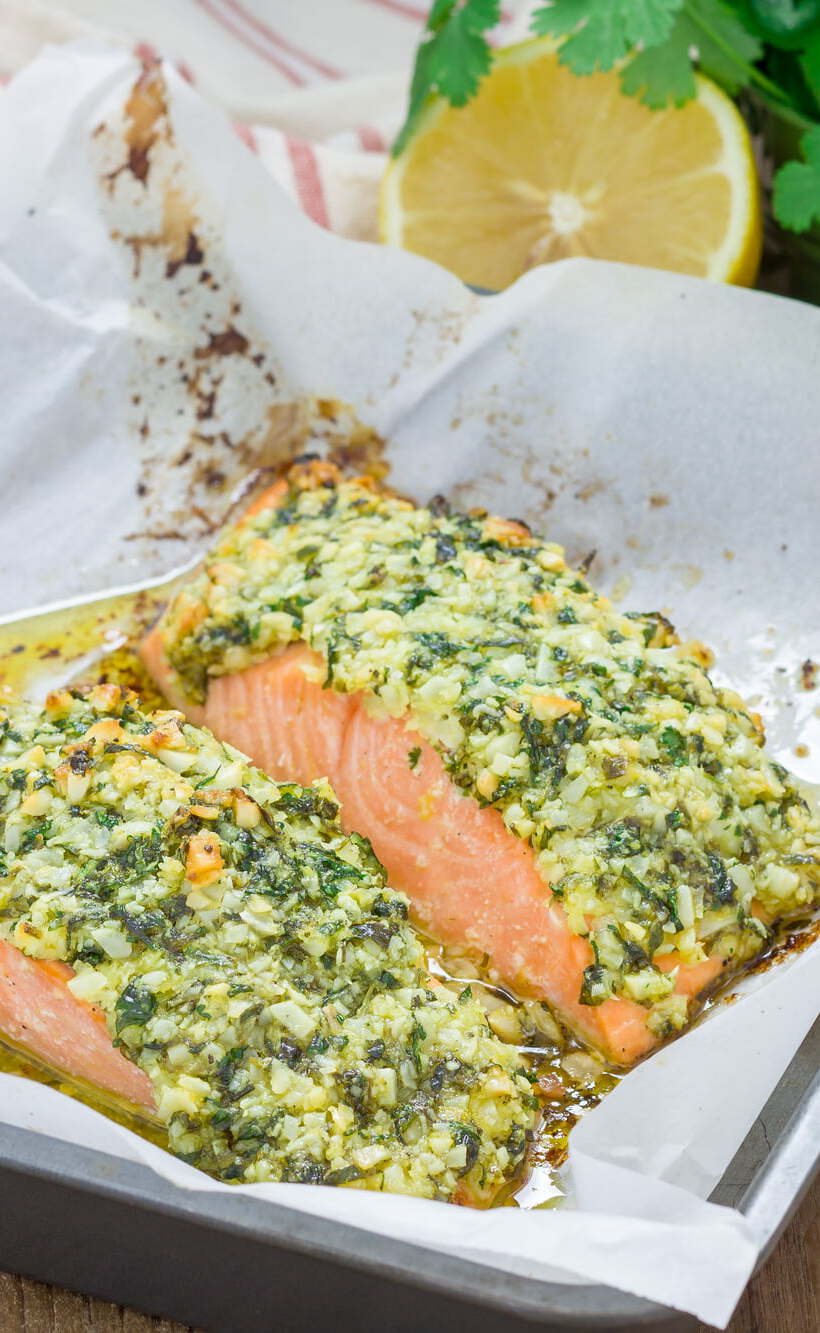
2 large sustainable salmon fillets, skinned
¾ cup / 150g cauliflower rice, cooked
10-12 broccoli florets, cooked
Lemon wedges, to serve (optional)
Mix together the basil pesto, breadcrumbs and Parmesan cheese in a small bowl. Mixture should be sticky; add a little more pesto if it’s too dry.
Drizzle a little olive oil onto a light baking tray and arrange the salmon on top.
Spread the pesto mixture evenly across the salmon, pressing down firmly so it fully covers the top side of the fish.
Bake for approximately 15 minutes until flaky but cooked through — if the topping isn’t browned, pop the tray under a hot grill for an extra 2-3 minutes.
Remove from the oven and serve with cauliflower rice, broccoli and some lemon wedges for garnish and flavour.
1 cup / 125g roasted unsalted peanuts
1 cup / 240g smooth sugar-free peanut butter
4 tbsp / 60g butter
3 tbsp stevia or alternative sweetener
2 tbsp coconut flour
1 tsp vanilla extract
1 cup sugar-free chocolate chips
Pinch of salt
Line a sheet pan with parchment paper and set to one side.
Using a food processor, crush the peanuts until they develop a fine consistency.
Melt the butter and add it to the peanuts, along with the stevia and peanut butter. Process for about 20 seconds until the mixture is combined.
Open the food processor, add the coconut flour, vanilla extract and salt and process again for a further 20 seconds.
Pour the batter into the parchment paper and smooth the surface using a spatula. Place into the fridge for half an hour.
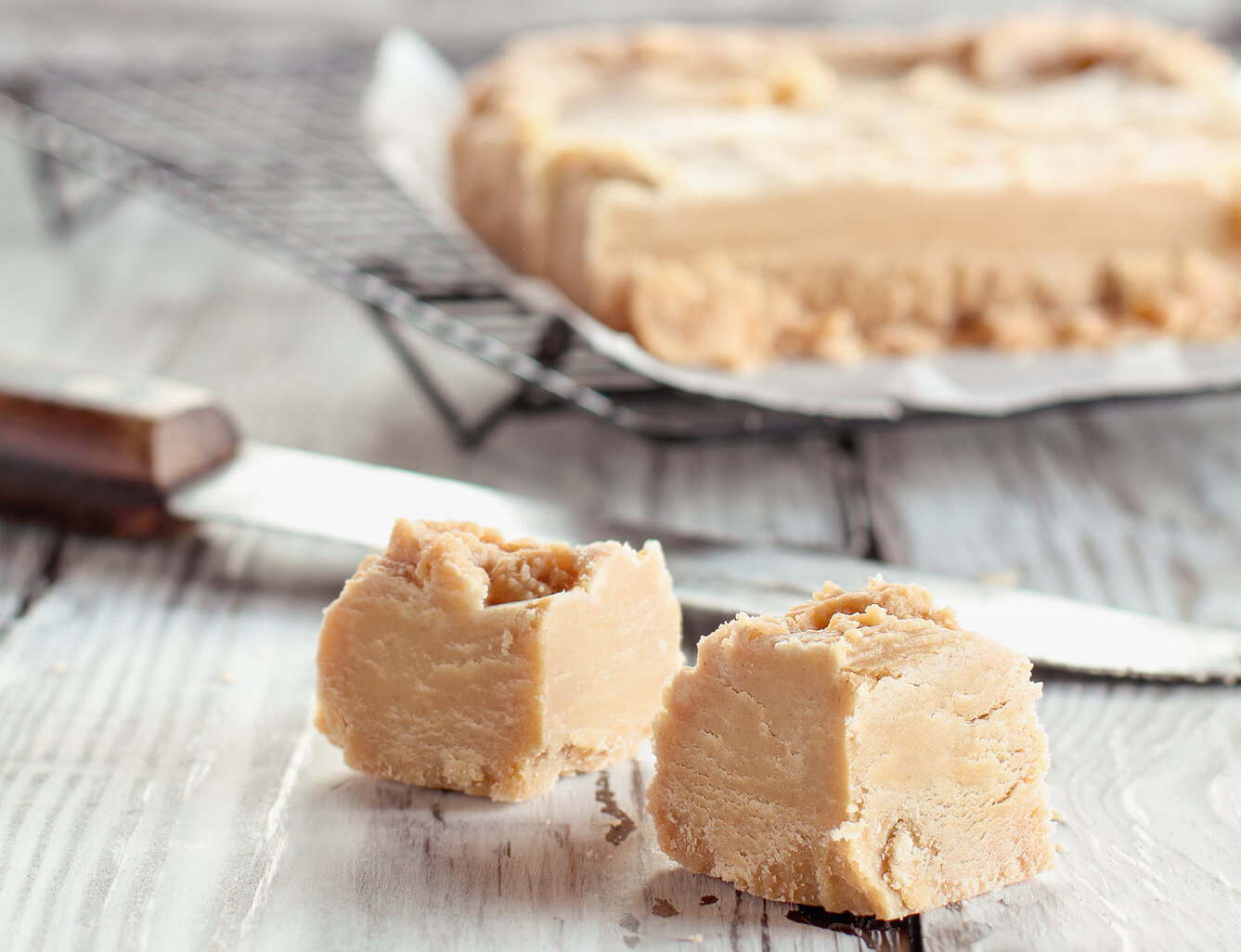
Melt the chocolate chips and pour in a thin layer over the top of the peanut butter base. Return to the fridge and leave for at least an hour or ideally overnight.
Once set, cut into bite-sized sections with a sharp knife. Serve immediately or store as a handy snack.